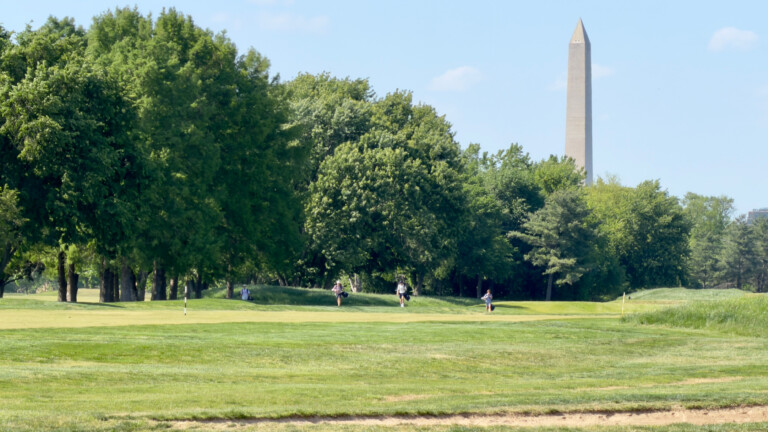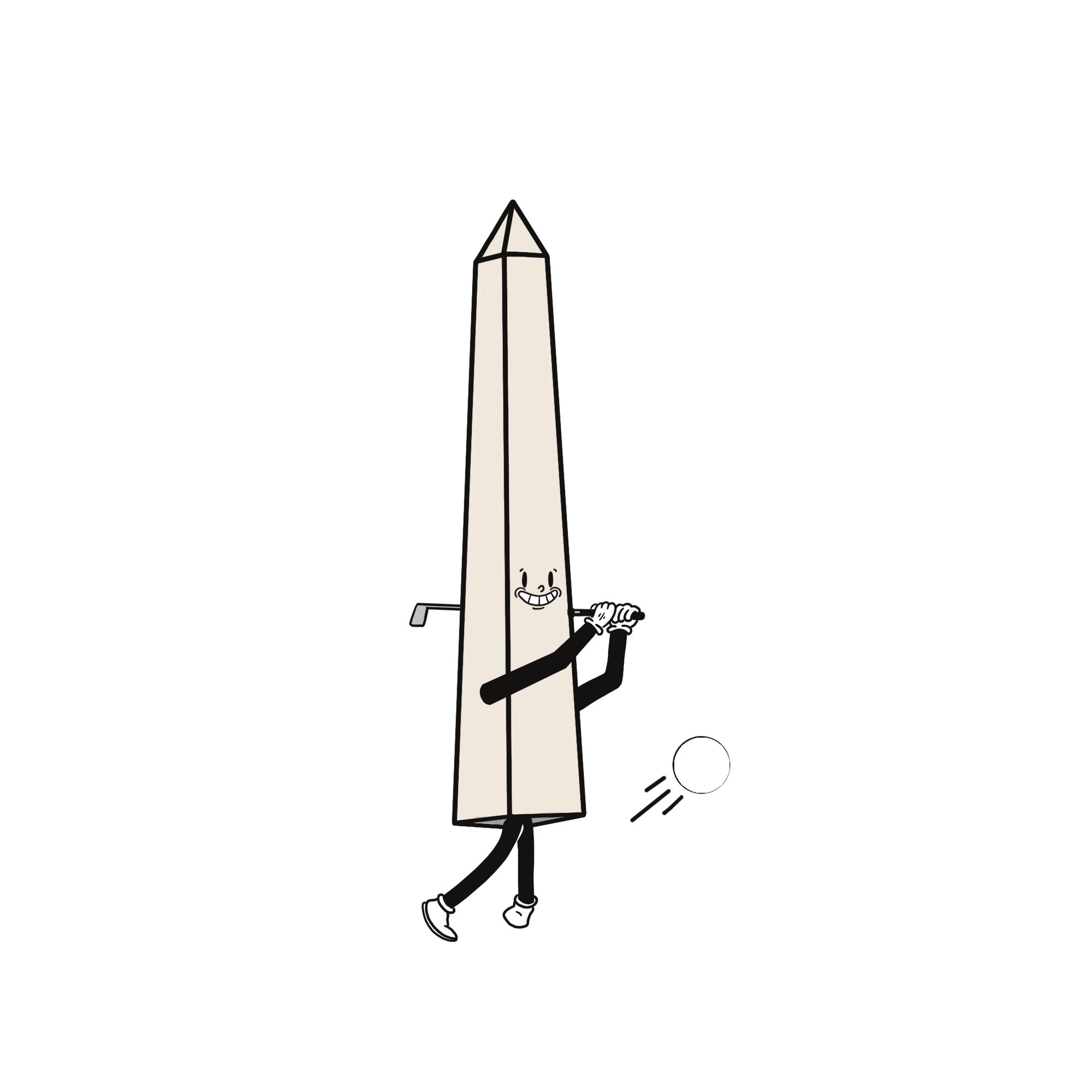
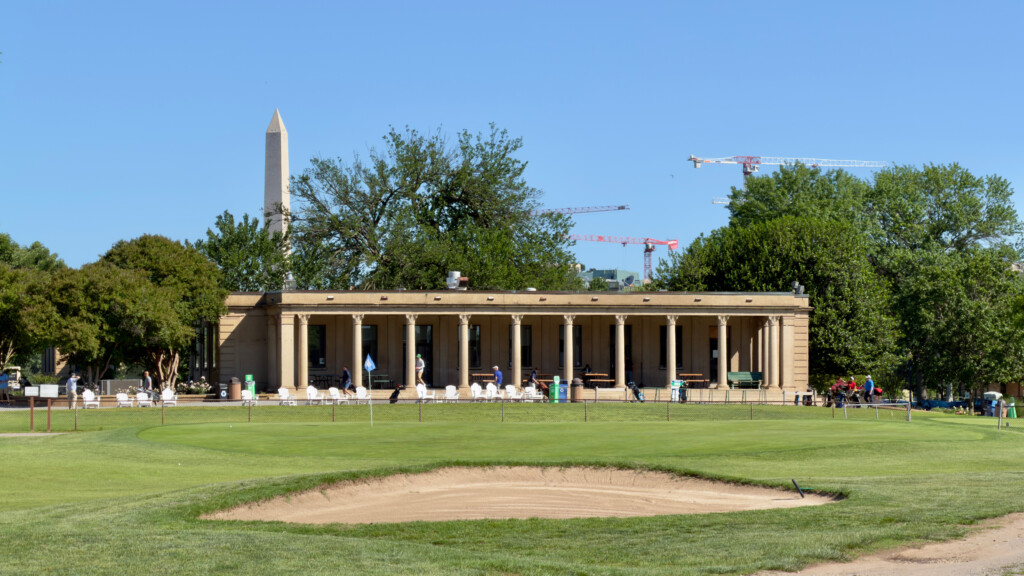
I’ve looped the Blue Course at East Potomac Golf Links 300+ times since 2009. It became my home away from home during COVID. You could find me on weekdays teeing off before the morning’s first Zoom meeting between 7:20 and 7:50 with a rotating bunch of regulars who knew more about each other’s short game than who was waiting for them at home. Everyone in the group was bonded by a desire to play 18 holes of golf in 3 hours.
One of my favorite morning rounds was a 2.5-hour jaunt with Steve, a septuagenarian who was an attorney in his previous life. He created his own tee boxes from the fairway when the forward tees weren’t up enough, and seemingly rolled his push cart through every swing. He liked to move. This story doesn’t have a dramatic ending, and that’s the point. The best rounds at East Potomac, or Hains Point as the regulars often call it, aren’t the low scores, rather enjoying the walk with someone you’d otherwise never meet.
The Blue Course is an original Walter Travis design dating back to 1920. He built it as a reversible course with two directions of play on each nine, the same idea behind the Old Course at St. Andrews. The course hosted the 1923 US Amateur Public Links on the A-C routing. Today’s 18 holes are the B and D routings which offer prime views of the Washington Monument, Ronald Reagan Airport, the surrounding Tidal Basin, V-22 Ospreys and the Cherry Blossoms when they’re in-season.

The NLT turnaround
Prior to the National Links Trust’s management of the course in October 2020, it was an unloved piece of property. Fairways were overgrown and waterlogged, greens left to fester and run at a STIMP of velcro slow. It was a dump because it was managed like a dump. Since then, the course has a soul again. Don’t misunderstand me, it has a dive bar’s character. It’s not fancy and not for the golfer expecting every blade of grass to be in its place. There are still aspects of course management that should improve, but now it has charm, regularly mowed fairways, frequently rolled and cut greens, and it plays fast and firm during the peak fall season.
While the drainage has vastly improved on NLT’s watch, the course is still susceptible to rather wet conditions since it’s essentially surrounded by water at sea level, at its worst during DC’s summer swamp season. It was built on a man-made peninsula the Army Corps dredged out of the Potomac starting in 1882, rising barely 10 feet above the water on three sides. When it’s raining daily, it could take days for the course to dry out. A couple of years ago the 4th hole’s fairway was completely under water for nearly a week after several torrential downpours, and the 12th through 14th fairways are regularly squishy for long stretches in the summer. Unfortunately the sandtraps don’t have a similar alibi. Many are devoid of sand and/or full of rocks. It’s unclear why they haven’t received the same TLC as the rest of the course.
Overall, it’s a forgiving track. It’s short and it’s wide. While water borders the holes that run along its perimeter, there are no water hazards through it. Like any proper links style course, it relies on the wind, which almost always holds its direction, for its main defense. When the wind’s whipping and the fairways are bouncing, the fun dial turns to 11, but it becomes harder to score. North or south winds serve to lengthen/shorten holes, whereas east or west winds introduce the potential to blow the ball out of play. I remember a round with 40 mph winds blowing west to east and feeling terrified before my tee shot on the 6th hole. It has tree trouble and out of bounds to the right, and yeah it accelerated the little bit of cut spin on the ball right out of play. Even on calm days, it features a few holes that pose a challenge outside of the wind, and these three have consistently proven hardest over all my rounds:
Three holes poised to give you trouble
The 8th hole is a long par 3 with bunkers on either side. It plays around 200 yards from the back tees (which across the 18 aren’t back far enough to be called “the tips” with a serious face), and the green is sloped back-to-front. Besides the longer carry, between the slope and the firmness of the green, it’s tough to hold, and anything off the back requires a touch pitch. Short is much better than long. For my money, it’s the toughest hole on the course. It’s been the only blemish on many otherwise clean front nines for me over the years.
The 16th is the longest par 4 on the scorecard. At 432 yards from the back tees, it requires a solid drive that navigates long grass on the left and trees lining the right. With a tight, slightly elevated green, guarded by sand to the left and a run-off on the right, sticking the approach shot matters. It doesn’t concede many birdies. I was lucky enough once to catch it on a calm morning and float in a towering 7-iron that landed softly and close enough to the stick to putt out a three.
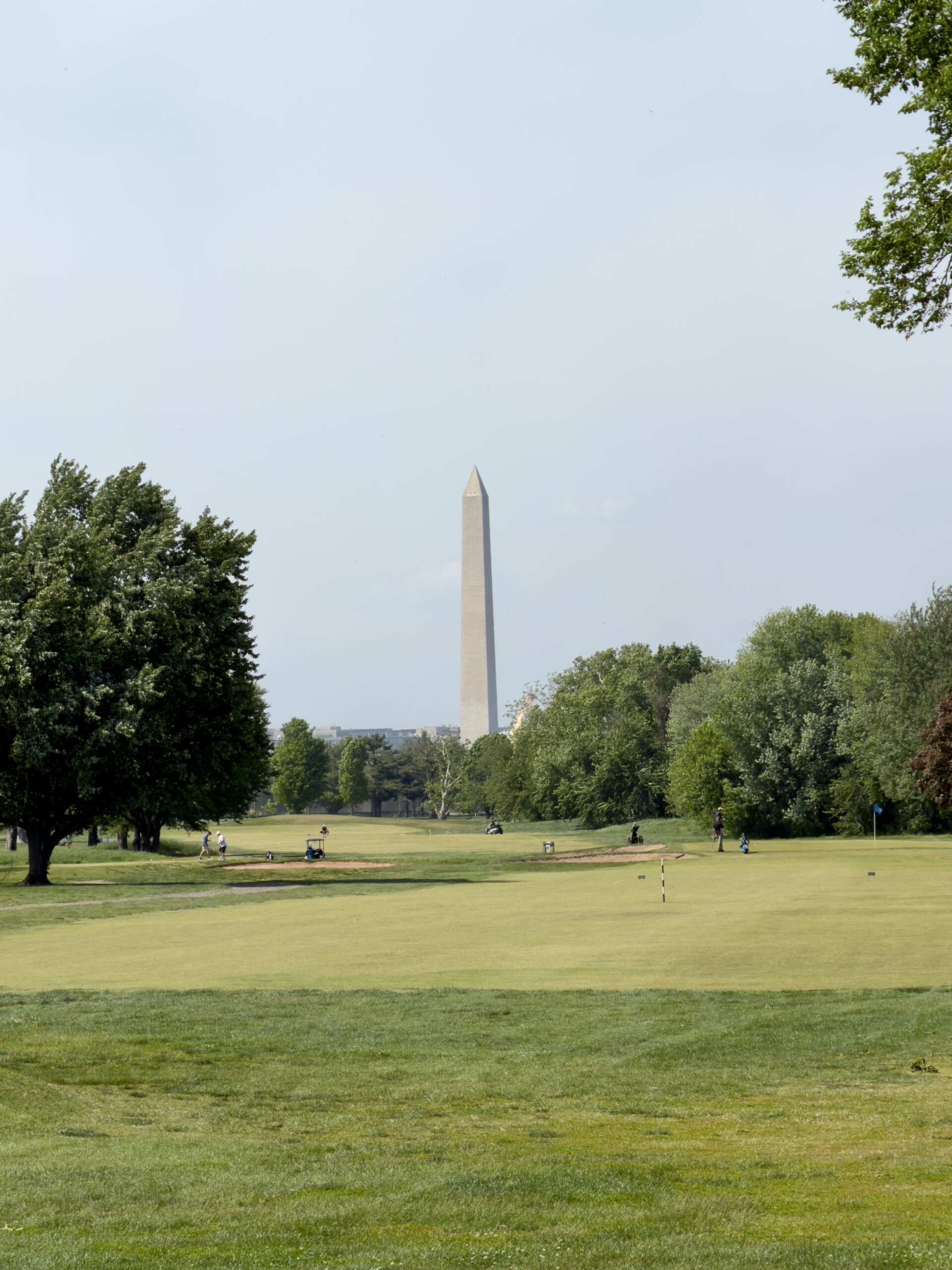
The par 5 third is the longest hole on property (596 yards), and it’s the toughest by stroke index. It certainly plays differently off the tee depending on whether it’s been set up with the elevated or non tees. The ground level tee boxes are tucked in to the right, and there’s a bit of a chute with trees along the right. The space left and subtle dog leg right sets up perfectly for a cut. The elevated box, a recent addition by NLT, eschews that left-to-right sightline and frees the fairway and mind up. Put a tee shot into play and you’re well on your way to a birdie opportunity. It plays down a wide fairway, only a vicious hook or slice brings in trouble. It’s a receptive green guarded by bunkers on either side.
Holes that’ll give one back
There are plenty of opportunities to make birdies as well. The 5th, 7th, and 10th are a trio of short par 4s with very little downside to dissuade you from an aggressive play. At 291, 308, and 311 yards, respectively, a strong down wind will bring eagle into play for even a moderately long hitter. Otherwise, it’s often a pitch and a putt to walk off the green with a bird.
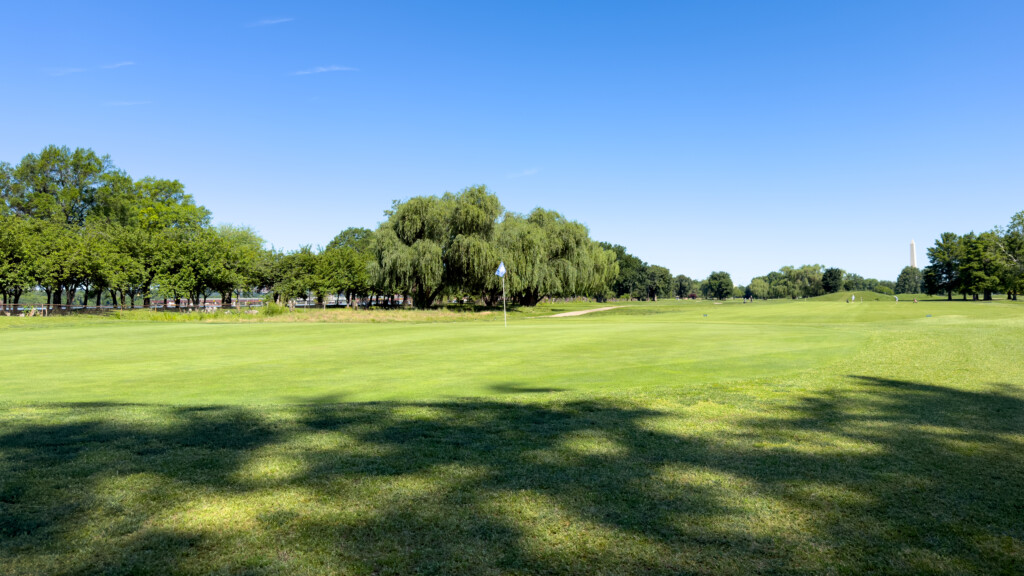
The 12th is a paltry par 5, not even measuring 500 yards (499). The tee shot is tough to navigate from any of the back tee boxes, or new elevated tee box, because trees enter the picture. Get the ball somewhere in play, and there’s plenty of opportunity to get on in regulation. A mound sits on the left side of the green and that’s a favorite target of mine on approach because hitting into it routinely catches and releases the ball back onto the putting surface. I’ve made 4 eagles on this short hole over my rounds, and I’m only a midcapper.
So, should you play the Blue Course?
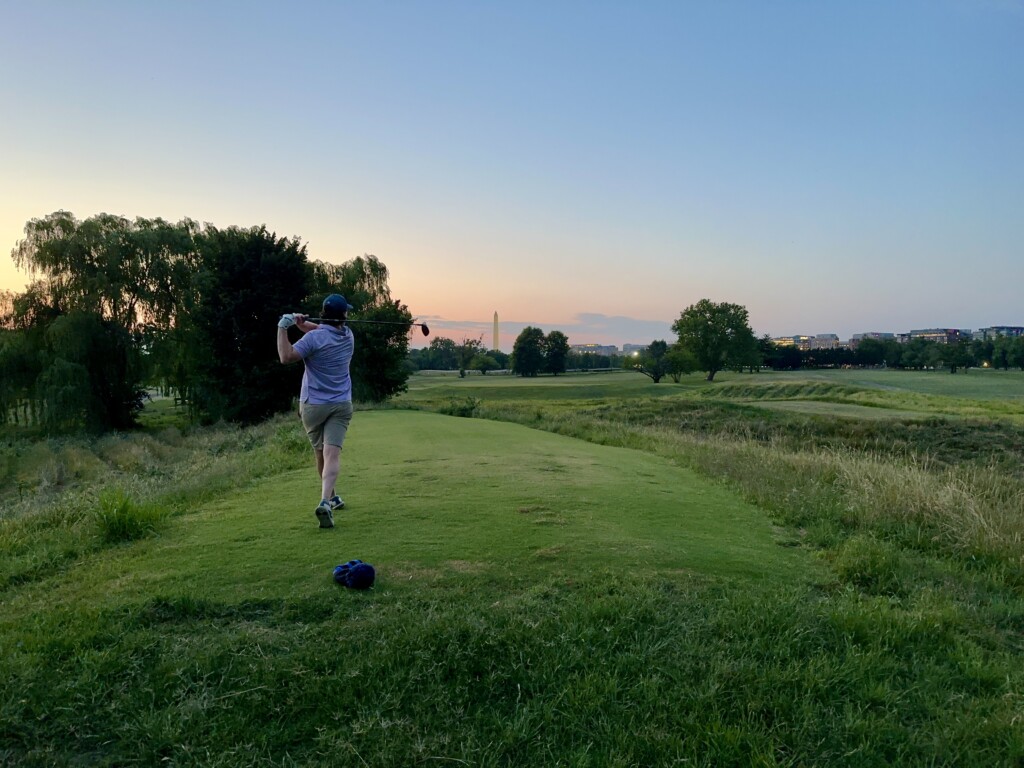
If you want pristine conditions and a country club experience, then no. If you want a walkable, historic muni with views you can’t get anywhere else, then it’s absolutely worth the change underneath your couch cushions for an 18-hole stroll.